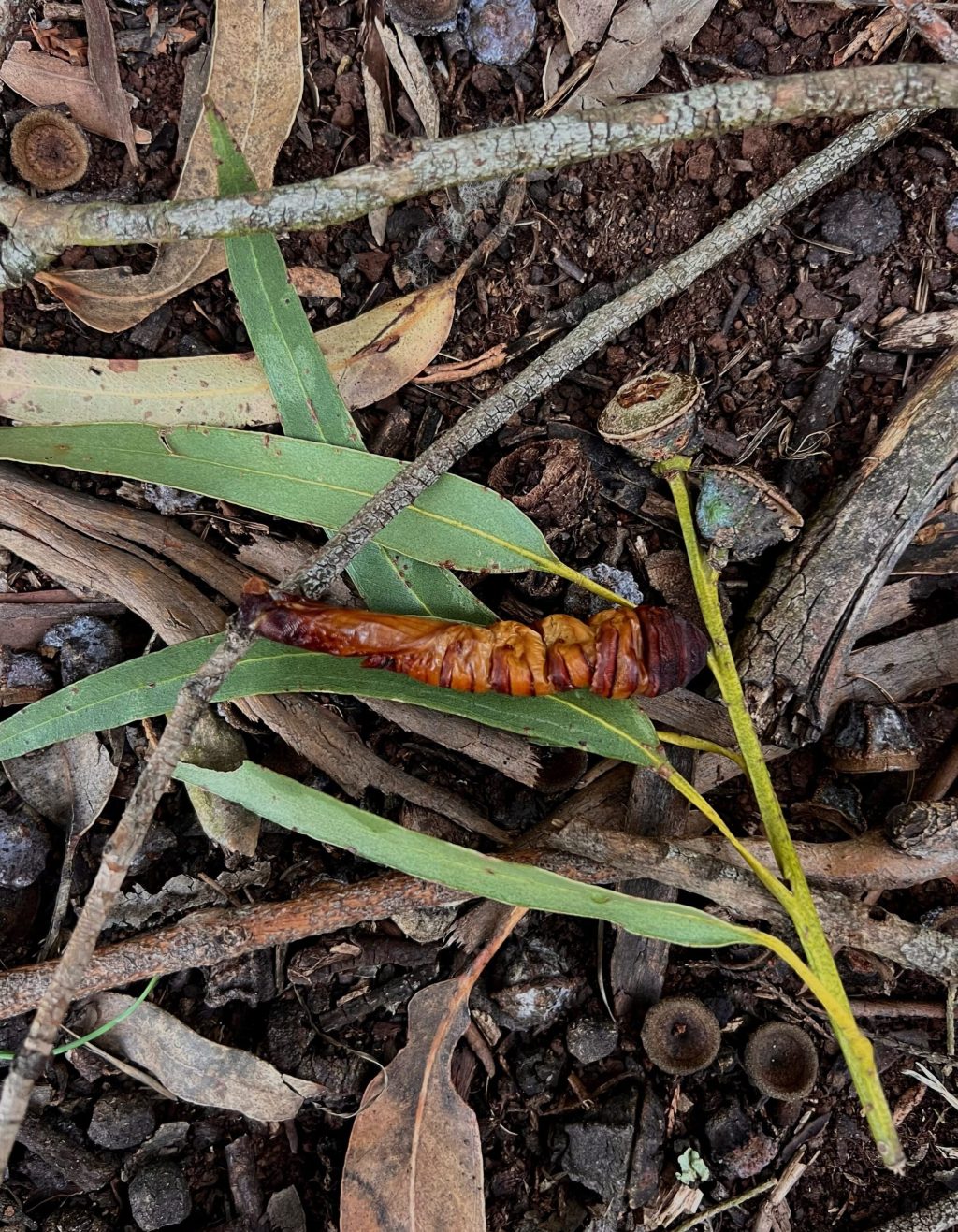
By Isabel Chalmers
Residents across suburban Victoria are noticing fewer bugs in their backyards, raising concerns about the use of pesticides and insecticides and their long-term effects on Victoria’s insect populations.
Where are the worms once dried out on the pavement on a summer’s day, and the snails that followed a rainfall? Pesticide Action Australia states that these absences go deeper than the bugs just disappearing and have been linked to studies that estimate over 98% of sprayed pesticides reach areas other than their intended targets including crucial pollinators, slugs, worms, snails and soil organisms.
Victorian entomologist Martin Lagerwey notes that,
“The biomass of insects is massively reduced due to pesticides, in turn reducing the quality of the soil and impacting the regrowth of trees and saplings”.
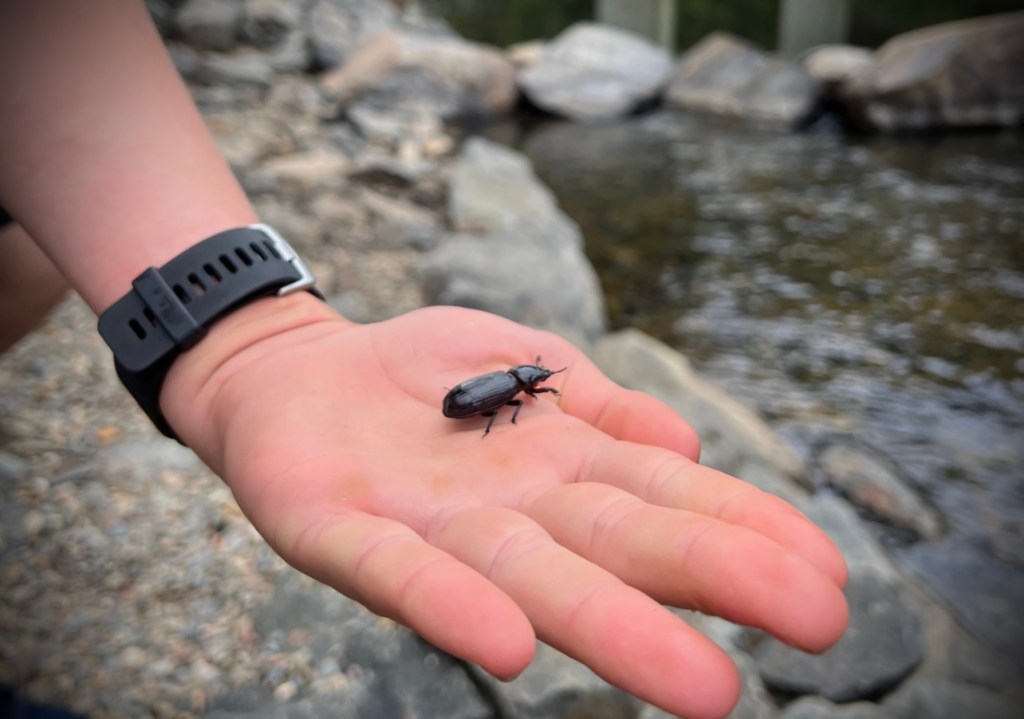
In suburban Victorian, these declines are being felt in local parks, backyard gardens and waterways, where fewer insects affect plant growth, soil quality and pollination. The loss of foundational ecosystems generates a ripple effect for residents living along the south-east coast. Home and community gardens are being affected with worms and slugs being brought in from farms to help rejuvenate unhealthy soil. Meanwhile, repeated use of pesticides in our neighbourhoods to control unwanted flora has severely impacted the health of our smallest but most crucial groups of species that reinforce these ecosystems.
Local community gardener Angharad has noticed these changes firsthand, noting that even with attentive gardening practices they can’t fully counteract the wider insect decline.
“No chemicals or pesticides are used; we compost which develops our worms, but a lot of people down at the gardens have worm farms”.
Observations such as Angharad’s highlight how conscious efforts to nurture insect populations are still being challenged by larger environmental burdens.
Nevertheless, Martin encourages conscious gardening,
“The best thing that people can do in the suburbs for their gardens is to remove chemical sprays”.
Cambridge research into the extinction of Australia’s non-marine invertebrates unveil that the ongoing loss of invertebrate species has led to subversion of ecological health and processes, the impacts of which are likely to become increasingly consequential.
As local observations and community gardens feel these burdens and are backed by extensive research by entomologists and conservation scholars, this decline in invertebrate species amongst Victoria and across Australia reflects how critical this issue is for the health of suburban environments and ecosystems.
Victorians are seeing a major decline in the number of insects in their gardens, and whilst the disappearances may be small, the impact on the health of ecosystems and environments in Victoria and across Australia is anything but.
*All photos taken by author


Leave a Reply