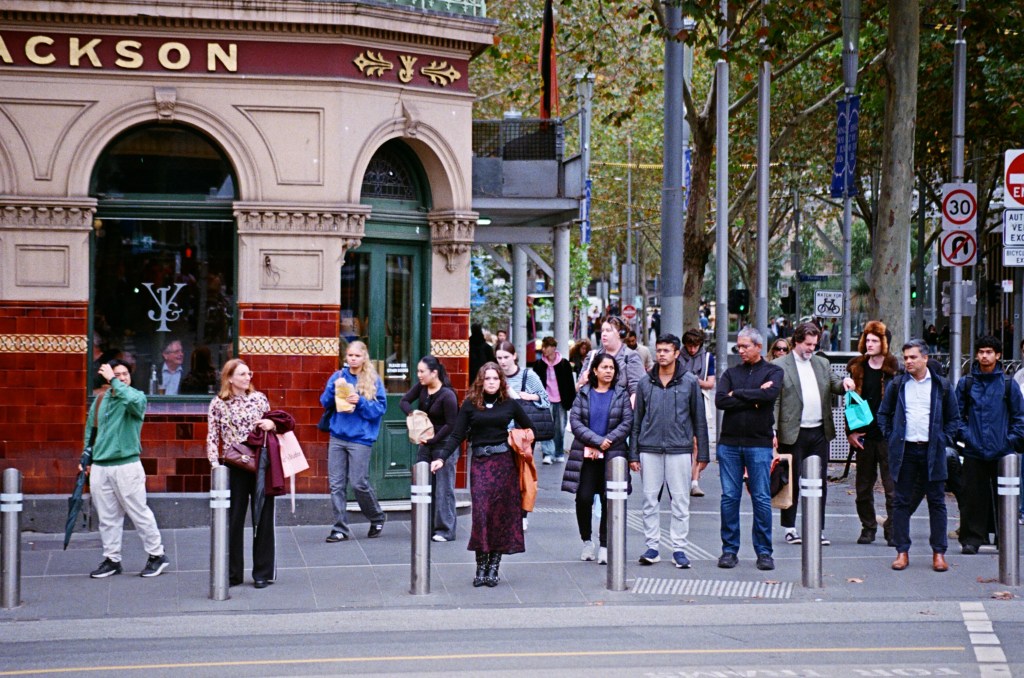
By Isabel Chalmers
Melbourne’s galleries, food scenes, laneways and varied entertainment helped crown it the world’s best city for 2026 – but for locals, the reality is more layered.
Steam curls around the red lanterns that sway gently, in sync with the people filtering through Chinatown. The clinking of dishes tangles with an array of aromas, tickling the noses of passersby. School kids on city trips stop to watch as the dumpling chefs roll out the dough for the lunch rush. Sticky fingers and hot breath stain the glass windows. The businessmen and women of Melbourne entertain corporate hotpots after work and tourists clutch to go boxes as waiters filter through the crowds with a local know-how. The buildings hum with a blend of Cantonese, Japanese and Mandarin, and conversations from all generations spill into the restaurants. The secret family recipes becoming the pillars of Melbourne’s cuisine.
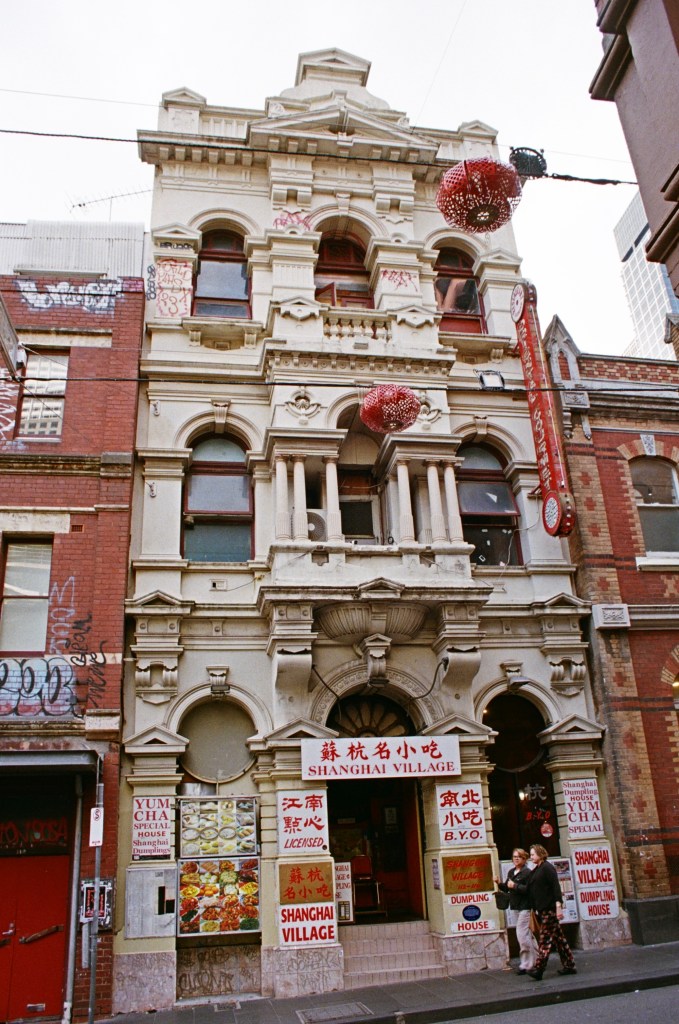
Shanghai Village is considered one of Melbourne’s most popular restaurants in Chinatown according to Broadsheet. They’re known for their cheap and plentiful plates of dumplings, steamed or fried. It’s hectic, fast-paced, with a buzzing atmosphere and for restaurant worker Vicky, the people are lovely and when you miss home, you can find comfort in the restaurant scenes,
“In Shanghai Village we are always fully booked on Friday and Saturday, especially last Saturday, we had 600 bookings on one day.”
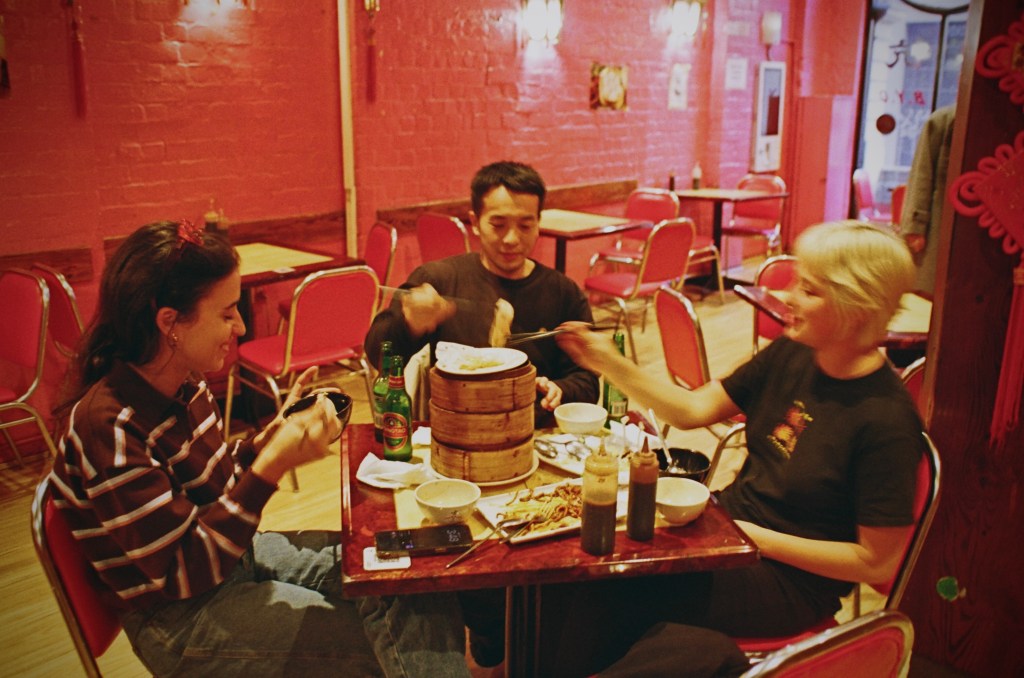
This bustling atmosphere, cultural diversity and loud energy are one of the many factors that gave Melbourne the title of the Best City in the World for 2026 by Time Out magazine. But beyond the polished data, tourism headlines and the vibrant environments, locals shed light on how the city’s identity is far more complicated than it appears.
Young people from far and wide swarm the city centres. From fresh graduates filtering into their first career-defining jobs, those who have moved for better opportunities, university students, people doing their year abroad and everyone else, where growing up and working in Melbourne, is all they’ve ever known. The commute from the north-west or south-east starts with the train or tramlines, ringing out in the early morning through to late into the night
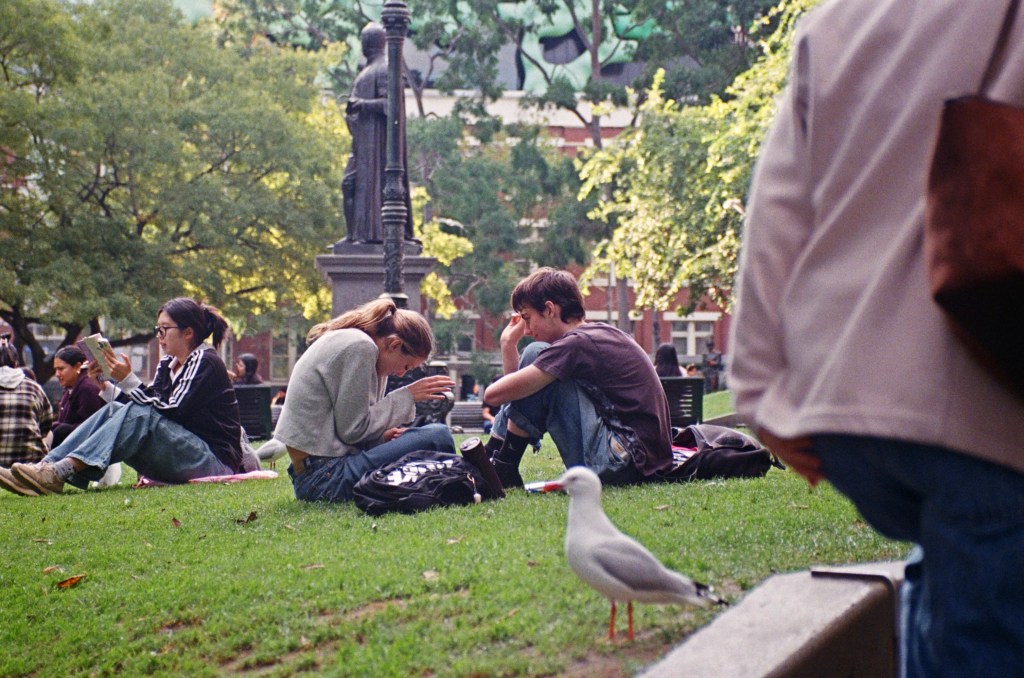
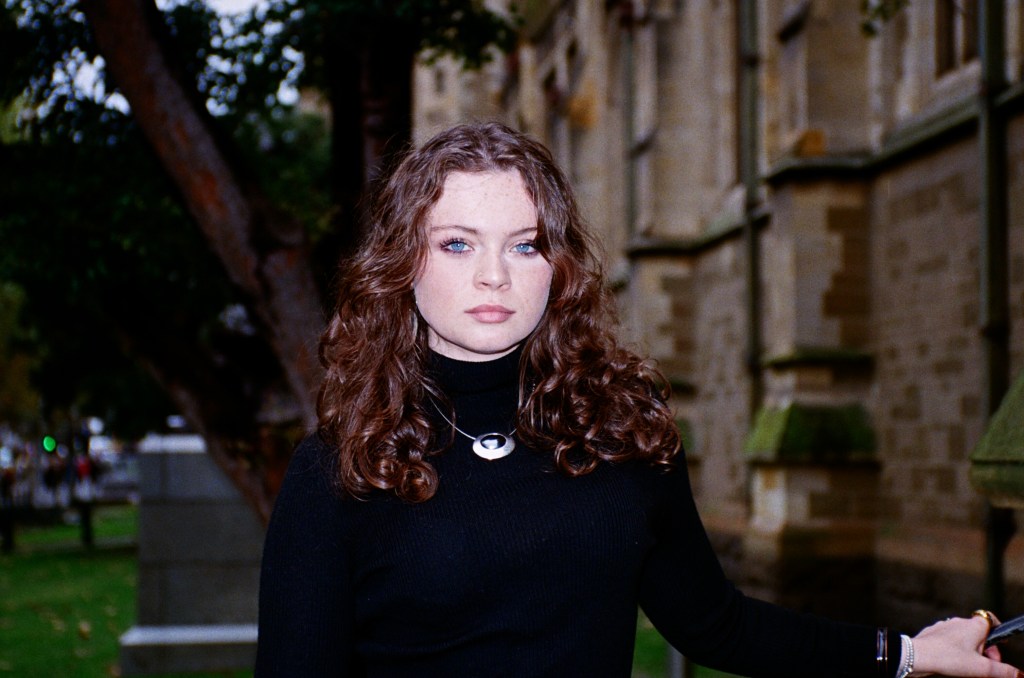
For university student Shiloh, at just 18 years old, she lives and breathes Melbourne’s intensity. Commuting into the city and working in retail and hospitality, she has seen it all,
“Even though there are so many challenges and it’s so difficult, sometimes I’m like I don’t know if I can keep doing this, but I love it here, you meet people from every single walk of life here, and I think that’s why I keep working in Melbourne.”
For many young people, it is this kind of contradiction that defines Melbourne – demanding but undeniably alive,
“I definitely think Melbourne could be the best city, but I can’t call it the best city until it’s the most liveable city. Rent’s gone up, the job market in the city is so dire, I am working two jobs, and my friends are working three jobs while in uni because we’re still trying to support ourselves,” Shiloh said.
The instinct to push aside personal struggle to experience the cultural diversity and harness opportunities is what keeps Melbourne as one of the most visited cities in the world. But that is the reality of it. Most visited.
Forge Real Estate is one of the top real estate agencies in Melbourne. Director Malcom Lee sheds light on the pressures facing the city’s housing market today,
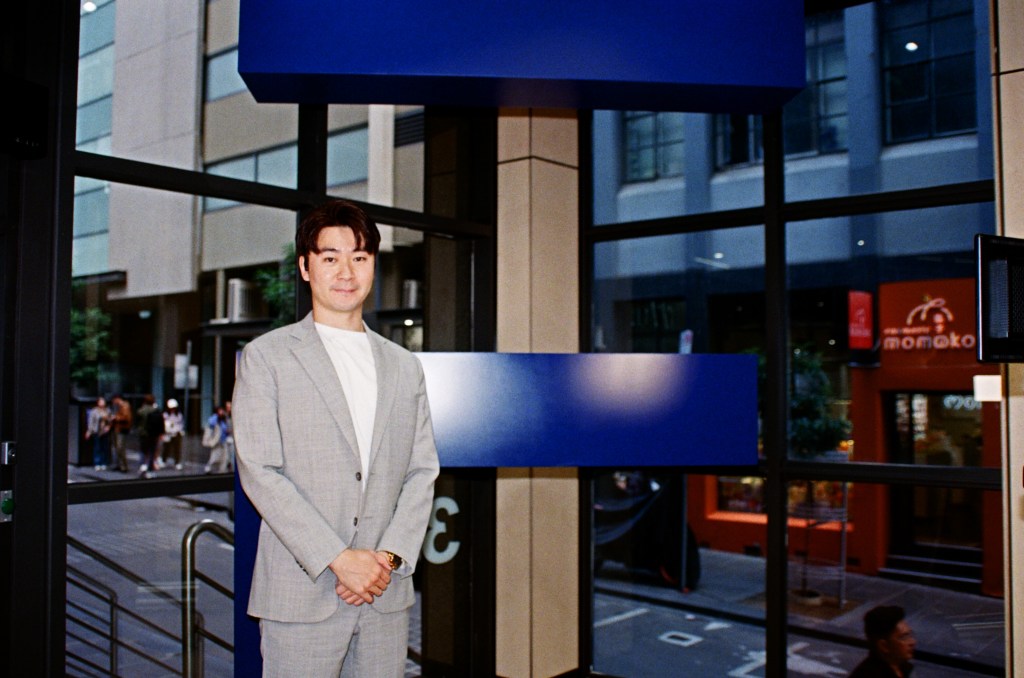
“It’s very hard to make money; the rent keeps increasing, so everyone thinks the owner will earn more, but the interest rate has pretty much doubled.”
Alongside the interest rate increasing to 4.35%, it’s not the only challenge affecting the industry. The continuous development of new government regulations and compliance costs leads to agencies such as Forge Real Estate raising the cost of rent,
“There’s a lot of regulations, so they need to spend more money for the regulation checks, I’m talking thousands of dollars”, Mr Lee said.
With the additional costs and upkeep expectations being reflected in rent prices, the real estate industry within Melbourne’s city limits has taken quite the hit. Mr Lee has seen the impacts firsthand over the last ten years,
“I used to be a top agent, in 2016 I sold 29 a month but now you can see that my company sells few, like 5 per month.”
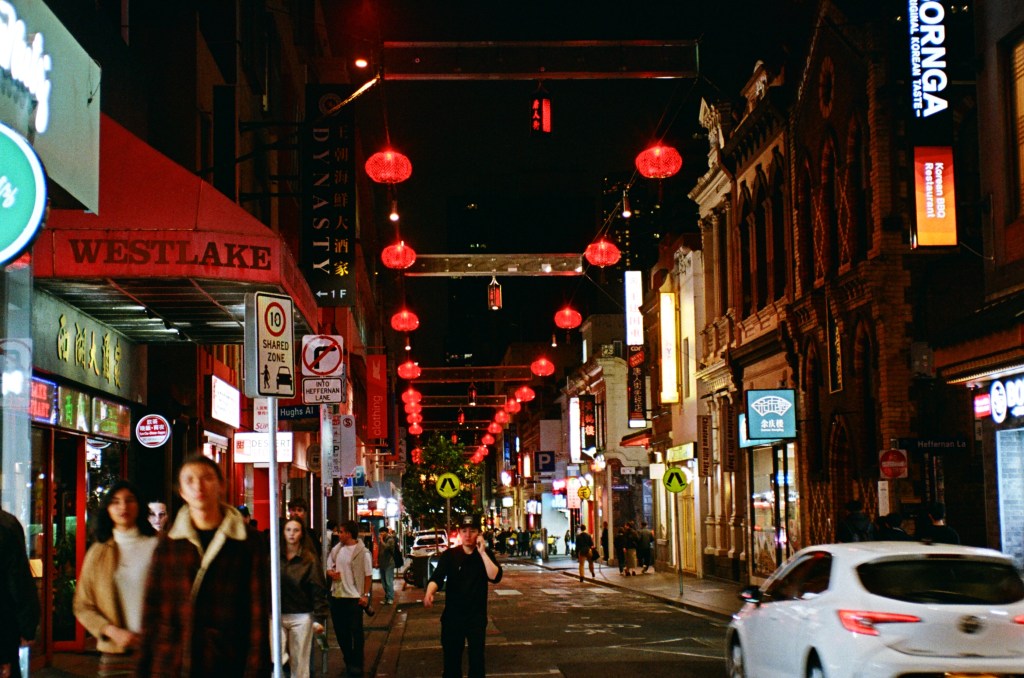
Stampedes of people pour from office buildings as dusk settles over the city. Students, tourists, workers and families all crowd the streets in search of their next meal or the nearest tram. Chinatown fills once again, its glowing red lanterns lighting a path toward some of Melbourne’s most treasured restaurants.
It is here, where diversity and community intersect, that Melbourne’s identity is born. The constant flow of energy filters through its laneways, buildings, and restaurants, which earned Melbourne its title as the world’s best city for 2026.
For locals, Melbourne’s appeal has always been about culture, community and connection. Where the pressures of living here are outweighed by the endless possibilities.
Beyond the headlines and rankings, Melbourne is a city held together by the people who endure its challenges to experience its culture.


Leave a Reply